12
Aug

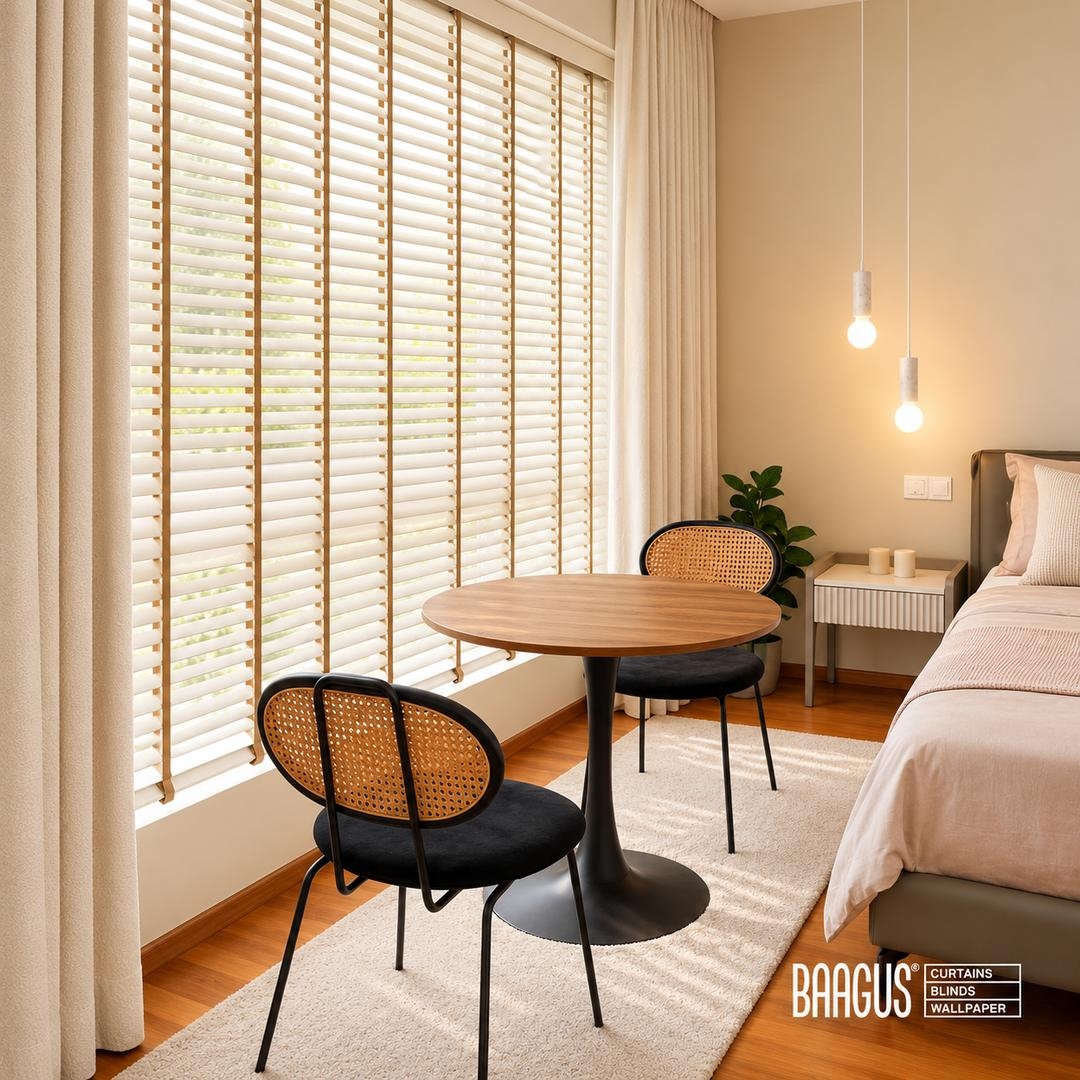
Creating a home that feels both warm and sophisticated often comes down to the materials we choose to surround ourselves with in our daily lives. When it is time to dress your windows, the natural allure of wood is a choice that never goes out of fashion regardless of changing trends. However, many homeowners find themselves confused when faced with the terms "wooden" and "timber," often wondering if there is a functional difference between the two when browsing for solutions. Selecting high quality timber blinds for your living space is an investment in both aesthetic beauty and long term durability that can significantly alter the mood of any room.
The emotional driver behind choosing natural materials is usually a desire for a grounding and organic atmosphere that connects us to the outside world. We live in an increasingly digital world in 2026, and coming home to the tactile grain and rich scent of real wood can provide a much needed sense of calm and tranquillity. By integrating a professional design concept into your renovation plans, you ensure that every element works in perfect harmony to create a cohesive sanctuary. The right choice in window dressing does more than just block the sun; it frames your view and provides a private retreat for your family.
Navigating the nuances of home decor can be a daunting task for the uninitiated, but understanding the specific benefits of natural wood can simplify your decision making process. Whether you are aiming for a rustic farmhouse vibe or a sharp contemporary look, wood provides a versatility that synthetic materials often struggle to match. In this guide, we will explore why these specific treatments remain a top choice for discerning homeowners and how they compare to other options currently available on the market.
The term timber often refers specifically to wood that has been prepared for use in building and high end carpentry work. When it comes to timber blinds, this usually implies a higher grade of natural wood that has been kiln dried to prevent warping or twisting over time. This preparation is essential because window areas are subject to significant temperature fluctuations and direct sunlight, which can be punishing on inferior materials. By choosing a premium timber, you are ensuring that your slats remain straight and beautiful for many years to come.
While faux wood options have improved in recent years, they still lack the unique character and soul found in organic timber. Every slat in a natural wood blind tells a story through its grain pattern and subtle colour variations, meaning no two windows will ever look exactly the same. This individuality is what provides the high end and bespoke feel that many homeowners crave when they are looking for blind solutions that stand out from the crowd.
Evaluate the natural grain pattern to ensure it matches your existing timber furniture.
Consider the weight of the material as real wood is significantly lighter than faux wood.
Check the finish of the slats to ensure they have been treated for UV protection.
Look for sustainable certifications to ensure the wood was ethically sourced.
Feel the texture of the slats to appreciate the natural warmth of the organic material.
The structural integrity of your window treatments is a critical factor that affects both their performance and their visual appeal. High quality wood slats are engineered to be stable, meaning they can span wider windows without the sagging or bowing that often plagues cheaper plastic alternatives. This stability allows for a more streamlined look that maintains its sharp and professional alignment even after years of daily operation.
Relatable scenarios include a large living room window where a heavy blind might be difficult to raise and lower frequently. Because natural timber is inherently lightweight, it puts less strain on the internal cord mechanisms and the mounting brackets. This ensures that your window treatments operate smoothly and quietly, adding to the overall sense of luxury and ease within your home. Professional design studios often prioritise these premium materials for high traffic areas because they offer a superior balance of strength and elegance.
Beyond their visual appeal, the functional role of window dressings has become a primary focus for homeowners concerned with sustainability and comfort. In 2026, we are more aware than ever of how our home choices impact our energy consumption and our environmental footprint. timber blinds are excellent natural insulators, providing a physical barrier that helps regulate the internal temperature of your home throughout the changing seasons.
Wood is a natural poor conductor of heat, which makes it incredibly effective at keeping your home warm in the winter and cool during the summer. By closing your slats during the peak of a summer heatwave, you can block out the solar gain that often makes rooms feel uncomfortably hot. According to the Energy Saving Trust, effective window coverings are a key part of an energy efficient home strategy that can lead to lower utility bills.
Install timber treatments in well ventilated areas to maintain wood health.
Use a damp cloth rather than a soaking wet one for routine cleaning.
Avoid placing natural wood directly over a constant source of steam like a kettle.
Check the seals on your windows to prevent external moisture from reaching the wood.
Wipe away any condensation immediately to prevent water spots on the finish.
The integration of technology into our home environments has transformed how we interact with our window treatments. Motorised wood blinds allow you to adjust the slats with a simple voice command or via a smartphone app, ensuring you always have the perfect level of light. This is particularly useful for hard to reach windows or for scheduling your home to look occupied while you are away on holiday.
Many modern systems now include sensors that can automatically adjust the slats based on the position of the sun. This proactive approach to light management protects your furniture from UV damage and ensures that your home always feels bright and inviting. As smart home technology becomes standard in new builds, choosing a window treatment that can adapt to these systems is a wise way to future proof your investment. These upgrades offer a level of convenience that makes the transition from traditional drapes to modern blinds a simple and rewarding choice.
The aesthetic appeal of natural wood is its ability to bridge the gap between different design eras and architectural styles. Whether your home is a heritage property with high ceilings or a modern apartment with floor to ceiling glass, timber blinds provide a textural element that softens the hard edges of a room. In 2026, we are seeing a move toward biophilic design, where natural materials are used to create a space that feels connected to the environment.
The current trend for warm minimalism focuses on clean lines paired with natural materials like wood, stone, and linen. This approach creates a space that is modern yet inviting, avoiding the cold and clinical feel of past minimalist movements. Earthy tones such as olive, moss, and warm beige work perfectly with natural wood grain, providing a grounding palette that promotes a sense of peace.
Match the wood tone to your flooring for a cohesive and grounded look.
Use contrasting tones to make the windows a focal point of the room.
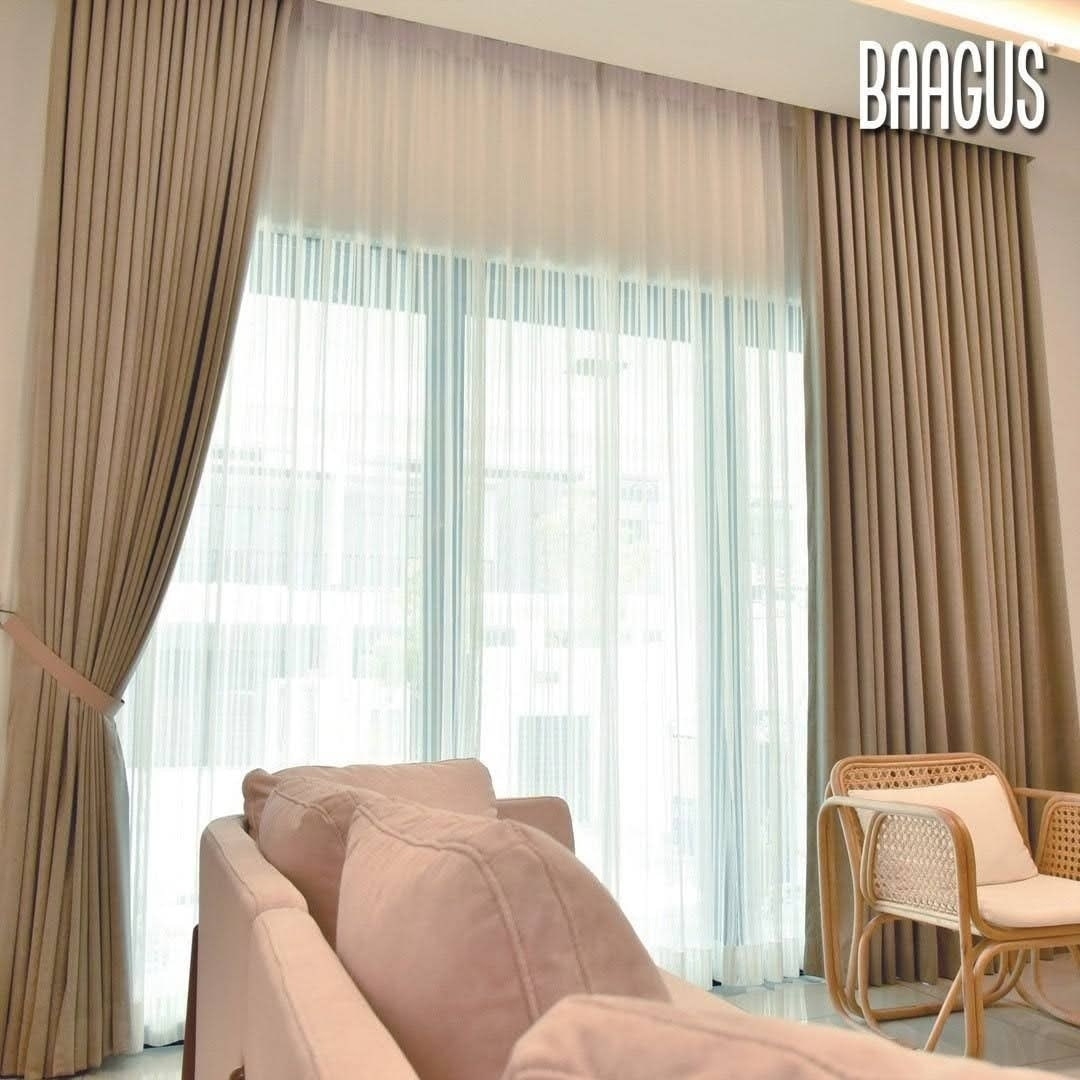
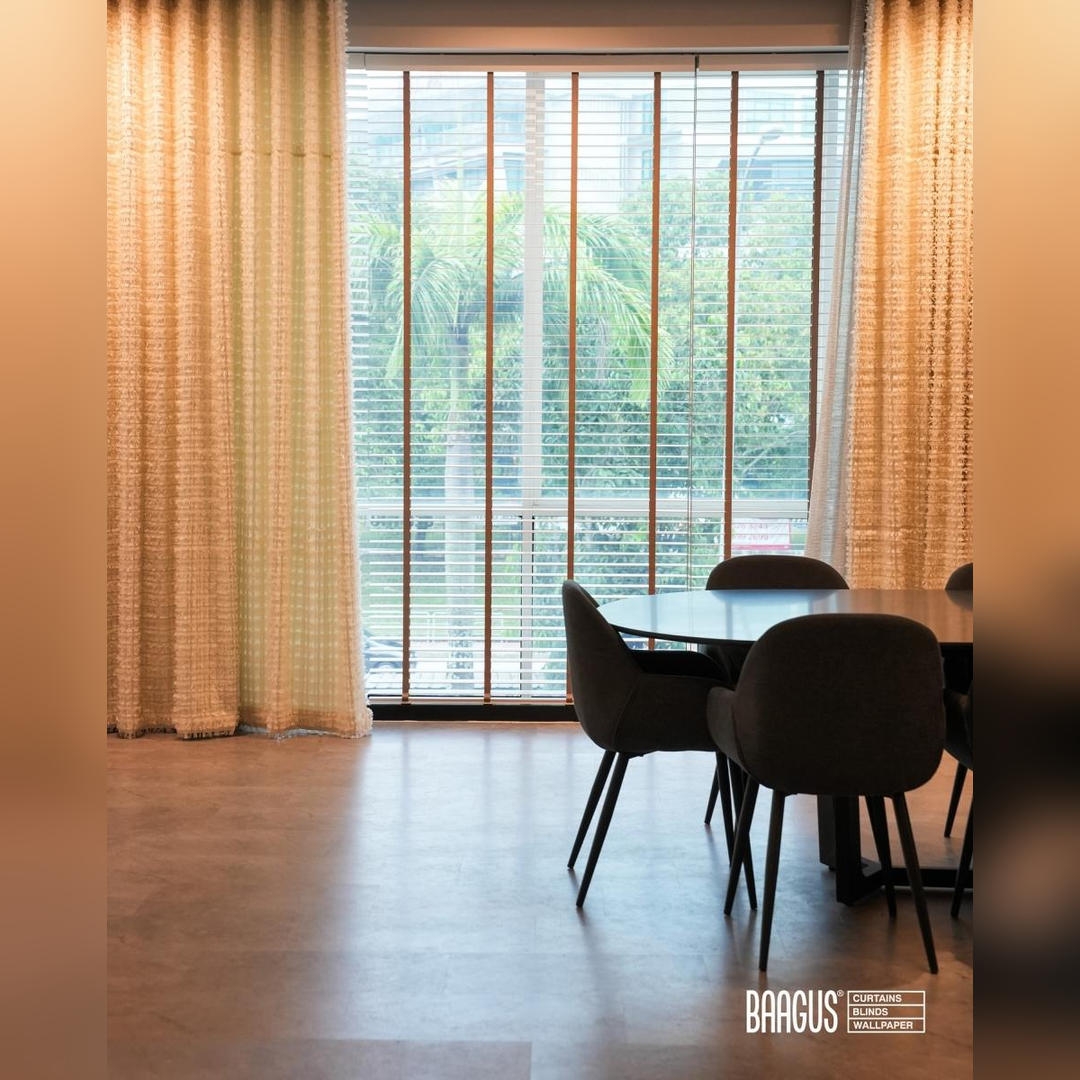
Pair wood with soft fabric sheers to add another layer of texture.
Choose hardware finishes that complement your door handles and light fixtures.
Select a matte finish for a more contemporary and understated appearance.
When you are looking for new ideas for your interior, consider how the tone of the wood interacts with your existing colour scheme. Lighter woods like basswood work beautifully with cool greys and whites, providing a subtle contrast that brightens the room. Darker timbers, such as walnut or mahogany tones, create a sense of drama and opulence that is perfect for a formal dining room or a home library.
A common design scenario involves a room that feels a bit too flat or lacking in character. Adding the rich texture of wood to the windows can instantly provide the depth and interest needed to make the space feel finished. Professional decorators often use these natural elements to add warmth to rooms with hard flooring or neutral walls. This versatility ensures that your window treatments remain a stylish part of your home even if you decide to update your furniture or wall colours in the future.
To keep your windows looking their best, a regular maintenance routine is essential for preserving the natural lustre of the material. Because timber blinds are made from an organic source, they require a slightly different approach to cleaning than fabric curtains or plastic rollers. The goal is to remove dust and grime without stripping away the natural oils or the protective finish that keeps the wood healthy and vibrant.
Dusting is the most important part of wood care and should be performed once a week to prevent the buildup of allergens. A microfibre cloth or a soft feather duster is usually all that is needed to keep the slats looking fresh and clean. For a deeper clean, you can use a specialised wood cleaner that is designed to nourish the timber while removing surface marks and fingerprints.
Dust the slats once a week to prevent the buildup of allergens.
Use a soft brush attachment on your vacuum for a deeper monthly clean.
Apply a small amount of wood conditioner twice a year for extra shine.
Wipe in the direction of the grain to maintain the smooth surface.
Ensure the slats are completely dry after any damp cleaning to prevent warping.
While natural wood is incredibly durable, it does require protection from extreme moisture and intense direct sunlight. Ensuring that your windows are well sealed prevents external dampness from reaching the wood, which could cause swelling or mould. Similarly, using a UV resistant finish helps to protect the rich colour of the timber from fading over time.
Relatable scenarios include a kitchen window where steam from cooking can settle on the slats. Taking a few seconds to wipe away any condensation after you finish cooking can extend the life of your window treatments significantly. This simple act of care ensures that your home remains a source of pride and that your investment continues to provide value for many years. Many homeowners find that with proper care, their wood blinds remain in excellent condition for over a decade, making them a very cost effective and sustainable choice.
Here are common questions about timber blinds we often receive from homeowners:
timber blinds are window treatments made from horizontal slats of natural wood, usually basswood or other high grade timbers. They work via a cord or wand mechanism that allows you to tilt the slats to control the amount of light and privacy in a room. They can also be fully raised or lowered to provide an unobstructed view of the outside or total coverage for the window depending on your needs.
In the industry, "wooden blinds" is often a broad term that can include both real wood and faux wood products. "Timber blinds" usually refers specifically to products made from genuine, natural wood. When you choose timber, you are opting for the authentic texture and grain of the forest, whereas wooden blinds could sometimes refer to synthetic materials designed to mimic the appearance of wood.
While they are beautiful, natural wood can be sensitive to high levels of humidity and direct contact with water. In a well ventilated bathroom, they can perform well, but many people prefer to use moisture resistant faux wood in these specific areas to avoid the risk of warping. If you do choose real wood for a bathroom, ensuring the room is well ventilated and that the wood is properly sealed is essential for its longevity.
The best way to prevent fading is to ensure that the wood has been treated with a UV resistant finish during the manufacturing process. You can also rotate the slats throughout the day so that the same side is not always exposed to the most intense sunlight. High quality timber is naturally more resistant to the sun, but all natural materials will age gracefully over time when exposed to UV rays in a sunny room.
Not at all, as they actually require less maintenance than many fabric based window treatments. A quick weekly dust with a microfibre cloth is usually enough to keep them in pristine condition. Unlike curtains, they do not require washing or dry cleaning, making them a very practical and hygienic choice for busy households. This ease of maintenance is one of the many reasons why they remain a favourite for modern living.
Choosing timber blinds for your home is a decision that balances timeless aesthetic appeal with practical and long term benefits. The natural warmth, unique grain patterns, and excellent insulating properties of wood make it a superior choice for those who value quality and comfort in their sanctuary. By understanding the specific needs of natural wood and how it interacts with your environment, you can create a living space that feels both grounded and luxurious.
The long term relevance of your home's interior design is enhanced by the use of organic materials that age gracefully and offer versatility in styling. As we move through 2026, the focus on sustainable and natural living continues to grow, making wood a smarter and more stylish choice than ever before. Whether you are refreshing a single room or embarking on a full renovation, the right window treatments are the final touch that makes a house feel like a home. Taking the time to select the right materials and finishes ensures that your sanctuary remains a true reflection of your personality.

|
SHOWROOMSGet up-close with our products and services at these showroom locations. VISIT US |

|
PROMOTIONSGet our latest promotions and deals here. LATEST PROMOTIONS |

|
GALLERYTrendy design concept from Baagus Curtain special made for your lovely home VIEW MORE |
 Chat with us on Whatsapp