19
Aug

Walking into a room that feels just right is a special experience for any homeowner. You might have the perfect sofa and a beautiful coat of paint, but if the windows look bare or poorly dressed, the entire space can feel unfinished and exposed. Finding the right balance between being seen and seeing the world outside is a common concern in modern urban living. Choosing high quality wooden blinds is an effective way to secure your sanctuary while allowing natural light to breathe life into your interior design.
When you begin looking for ways to refresh your living space, it is helpful to explore various home styling ideas to understand how different textures interact with your furniture. Many people find that modern living requires a window treatment that can adapt to different times of the day. You want bright, filtered sunlight during your morning coffee but total privacy once the evening streetlamps flicker on. The natural warmth of timber provides a tactile quality that synthetic materials often struggle to replicate.
Efficiency and comfort are the cornerstones of a well designed home in 2026. Whether you are working from a home office or relaxing in a master bedroom, the way you frame your windows dictates your daily experience. By focusing on a solution that is both beautiful and functional, you can create an environment that feels curated and intentional. Let us explore the specific ways that these timeless treatments can solve your privacy and lighting dilemmas while adding significant value to your property.
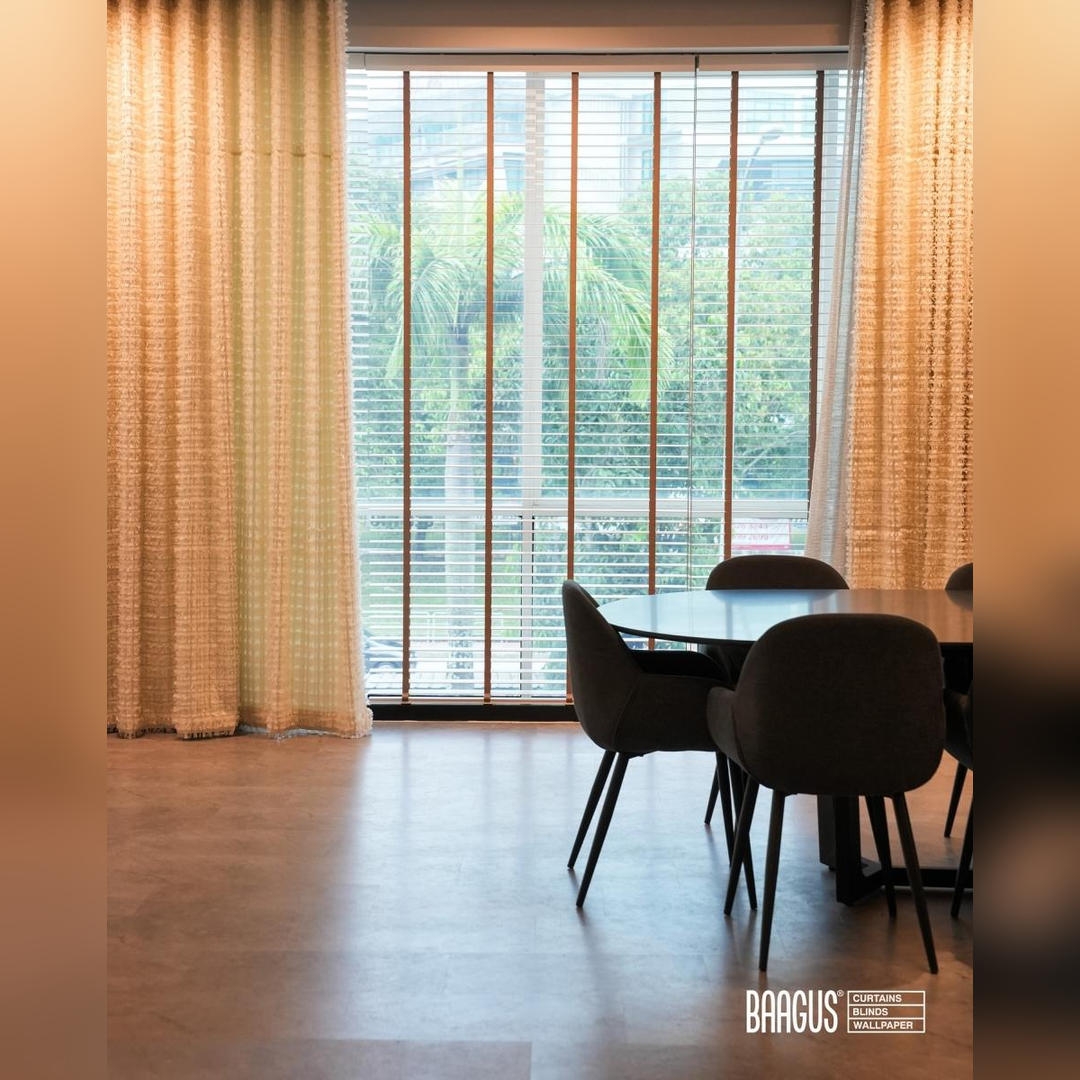
The aesthetic appeal of natural wood is its ability to bridge the gap between different design eras and architectural styles. Whether your home is a heritage property with high ceilings or a modern apartment with floor to ceiling glass, wooden blinds provide a textural element that softens the hard edges of a room. In 2026, the trend for warm minimalism has made natural materials a primary choice for designers looking to create inviting yet clean spaces.
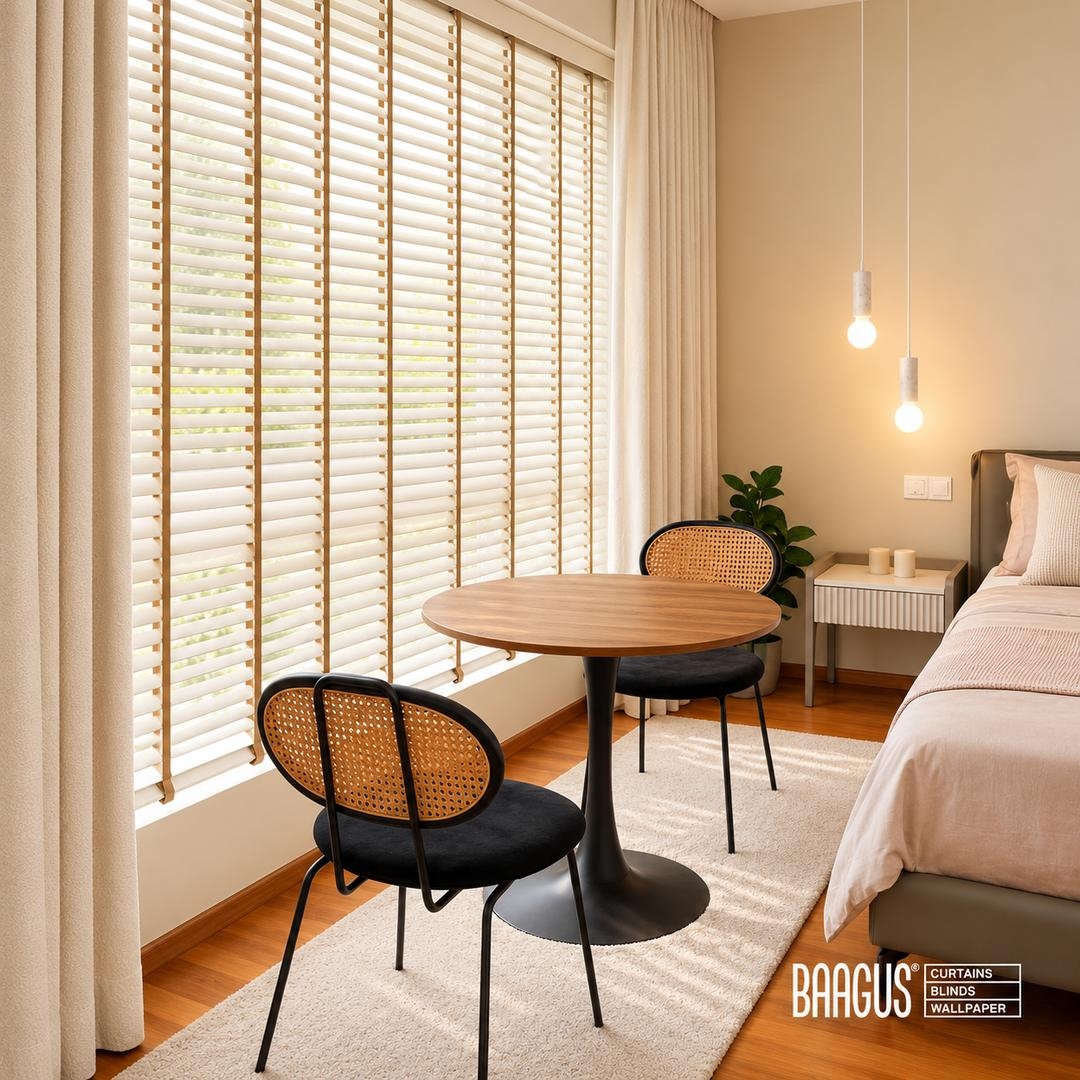
Integrating wood into your windows allows you to pull together different elements of your decor, such as hardwood flooring or timber furniture. This creation of a cohesive design concept ensures that your home feels grounded and connected to the natural world. Many professional decorators suggest that the organic grain of wood adds a layer of depth that painted surfaces simply cannot achieve.
Match the wood tone to your existing flooring for a seamless look.
Select wider slats to create a more contemporary and expansive feel.
Pair wood with soft fabric accents to add another layer of texture.
Choose hardware finishes that complement your door handles and light fixtures.
Utilise matte finishes to achieve an understated and sophisticated appearance.
One of the greatest strengths of this style is how well it performs in various environments. In a study or home office, the structured lines provide a professional backdrop for video calls while maintaining a calm atmosphere. In a dining room, the way light filters through the slats creates an intimate setting for evening meals with family and friends. Because they are available in a range of stains and paints, you can easily find a version that suits the specific mood of each individual room.
Imagine a living room where the afternoon sun creates harsh glares on your television or computer screen. By adjusting the angle of the slats, you can redirect that light toward the ceiling, brightening the room without the discomfort of direct glare. This flexibility is a hallmark of bespoke window treatments that are tailored to your lifestyle. It allows you to be in control of your environment rather than being at the mercy of the changing sun.
The way natural light enters a room can completely change its perceived size and atmosphere. Too much light can make a space feel washed out and uncomfortably hot, while too little can make it feel dingy and cramped. Using wooden blinds gives you granular control over the lumen levels in your home, allowing you to fine tune the ambiance to suit your mood or activity.
The primary advantage of a slat based system is the ability to tilt the wood to a specific degree. This precision means you can have the slats open just enough to see the sky while blocking the view of the street at eye level. This is particularly useful in urban areas where homes are built close together and passersby might otherwise have a direct view into your lounge or kitchen. By directing the light upward, you also illuminate the ceiling, which reflects light back down into the room for a soft and even glow.
For those concerned about the thermal performance of their windows, wood is a natural insulator that helps manage heat transfer. According to data on energy efficient windows from the Energy Saving Trust, effective window coverings act as an extra layer of protection that can lower your monthly energy bills. This means your home stays cooler in the summer and warmer in the winter, reducing your reliance on air conditioning and heating systems.
Our bodies are naturally attuned to the cycle of the sun, and the light in our homes plays a massive role in our wellness. During the day, bright natural light helps keep us alert and productive, while softer, warmer tones in the evening prepare our brains for rest. Being able to easily adjust your window coverings allows you to support your body's natural rhythms. You can let in the full energy of the morning sun and then slowly dim the room as the day progresses toward sunset.
Relatable scenarios include a bedroom where the early dawn light might wake you up before your alarm. By opting for a snug fit within the window frame, you can minimise the amount of light that leaks around the edges. This creates a darker and more restful environment that is conducive to deep sleep. The solid nature of the wood also provides a sense of security, making your sleeping area feel like a protected cocoon far away from the busy outside world.
Privacy is a non negotiable requirement for any modern home, especially in densely populated areas. You want to feel free to be yourself in your own space without worrying about intrusive eyes. Unlike sheer fabrics that might become transparent when your indoor lights are on at night, wooden blinds provide a solid and opaque barrier that ensures total seclusion.
When evaluating different options for your home, it is helpful to look at the outcomes they provide for your daily life. Here are the top result driven benefits of choosing a solid material for your windows:
Achieve total opacity to ensure that shadows and silhouettes are not visible from the street at night.
Redirect external views by tilting the slats to allow light in while blocking the line of sight from outside.
Enhance acoustic insulation as the density of the wood helps dampen external noise from traffic or neighbours.
Increase property security by hiding your internal assets and electronics from casual observers.
Deter potential intruders with a robust physical barrier that is more difficult to see through than fabric.
One of the biggest misconceptions is that privacy must mean living in a dark room. The beauty of a horizontal slat system is that you can maintain your privacy while still enjoying a view of your garden or the street. By positioning the slats at a forty five degree angle, you can see out perfectly, but anyone looking in from a lower or higher angle will only see the solid wood. This is a game changer for ground floor rooms or homes with large front windows.
Professional clinics and high end offices often use this technique to create a space that feels open and airy but remains strictly private for the people inside. It allows you to feel connected to the world while maintaining a clear boundary. This sense of control is incredibly empowering for a homeowner, allowing you to dictate exactly who sees into your sanctuary and when. It provides peace of mind that is essential for a truly relaxing home environment.
Any high quality addition to your home requires a bit of care to ensure it stays looking its best for years to come. Because wooden blinds are made from a natural material, they respond to their environment and require a specific approach to cleaning. However, many people find that they are actually much easier to maintain than heavy fabric drapes, which can trap dust and odours in their fibres.
Regular maintenance is the key to preventing the buildup of allergens and grime that can dull the lustre of the wood. A quick once over with a microfibre cloth or a soft feather duster once a week is usually all that is needed to keep the slats clean. For a deeper clean, you can use a slightly damp cloth with a mild wood cleaner, but you must be careful not to soak the material as excess moisture can cause the timber to warp over time.
Use a soft brush attachment on your vacuum to clear away pet hair and dust.
Wipe in the direction of the wood grain to maintain the smooth finish.
Avoid using harsh chemical sprays that could strip away the protective UV coating.
Close the slats fully to clean the entire surface area in one go.
Rotate the cloth frequently to ensure you are not redepositing dust on the wood.
High quality wood is remarkably durable and can withstand years of intense sun exposure if it has been properly treated. Unlike plastic versions that can become brittle and snap, or fabric that can fray at the edges, wood maintains its structural integrity. This longevity makes it a more sustainable choice for the conscious consumer who wants to avoid the cycle of fast furniture that ends up in landfill. Investing in a timeless material means you will not have to replace your window treatments every few years.
Many homeowners also appreciate the environmental aspect of choosing a renewable resource. When sourced from responsibly managed forests, wood is a much greener option than petroleum based synthetics. It adds a sense of natural integrity to your home, aligning your decor choices with a more eco friendly lifestyle. This combination of durability and sustainability ensures that your windows remain a source of pride and beauty for a decade or more.
Here are common questions about wooden blinds we often receive from homeowners:
A wooden blind is a window treatment made from horizontal slats of natural timber that are connected by a cord system. They work via a tilt mechanism that allows you to change the angle of the slats to control light and privacy. You can also raise the entire blind to the top of the window for an unobstructed view or lower it to the sill for full coverage.
While they are beautiful, natural timber can be sensitive to humidity and steam. For bathrooms or kitchens, many people prefer moisture resistant versions which are made from a composite material. If you do choose natural wood for these areas, ensure the room is well ventilated to prevent the wood from absorbing moisture and potentially warping over time.
High quality window treatments are usually finished with a UV resistant coating during the manufacturing process. To further prevent fading, you can occasionally rotate the slats so that the same side is not always exposed to the most intense rays. Choosing a lighter stain can also help, as lighter colours tend to show less sun damage than very dark or vibrant finishes.
While a DIY installation is possible, professional fitting is highly recommended to ensure the hardware is perfectly level and secure. Wood is heavier than many other materials, so it requires robust fixings into the wall or window frame. A professional can also ensure that the cords are safe and that the mechanism operates smoothly without any strain.
With proper care and a regular cleaning routine, a high quality set can easily last ten to fifteen years. Because wood is a durable and timeless material, it does not go out of style as quickly as patterned fabrics or trendy colours. They are a long term investment that continues to add value and functionality to your home for many years.
Choosing wooden blinds for your home is a decision that balances timeless aesthetic appeal with the practical needs of modern living. By providing superior light control and total privacy, these window treatments allow you to create a sanctuary that feels safe, bright, and deeply comfortable. Whether you are aiming for a minimalist look or a more traditional feel, the natural warmth of wood provides a versatile foundation for any room in your house.
The long term benefits of investing in quality window dressings go far beyond simple home decor. From improved energy efficiency to a more restful sleeping environment, the right choice makes your home a more functional and sustainable place to live. In the rapidly evolving home decor market of 2026, natural materials remain a top choice for those who value quality, durability, and a connection to the organic world.
If you are ready to transform your space with the perfect combination of style and utility, the team at Baagus Curtains is here to help you find the ideal match. We invite you to explore our latest collections and see how the right textures can breathe new life into your interior design. For personalised advice or to start your home transformation journey, please feel free to Contact Us at one of our showrooms today.

|
SHOWROOMSGet up-close with our products and services at these showroom locations. VISIT US |

|
PROMOTIONSGet our latest promotions and deals here. LATEST PROMOTIONS |

|
GALLERYTrendy design concept from Baagus Curtain special made for your lovely home VIEW MORE |
 Chat with us on Whatsapp