
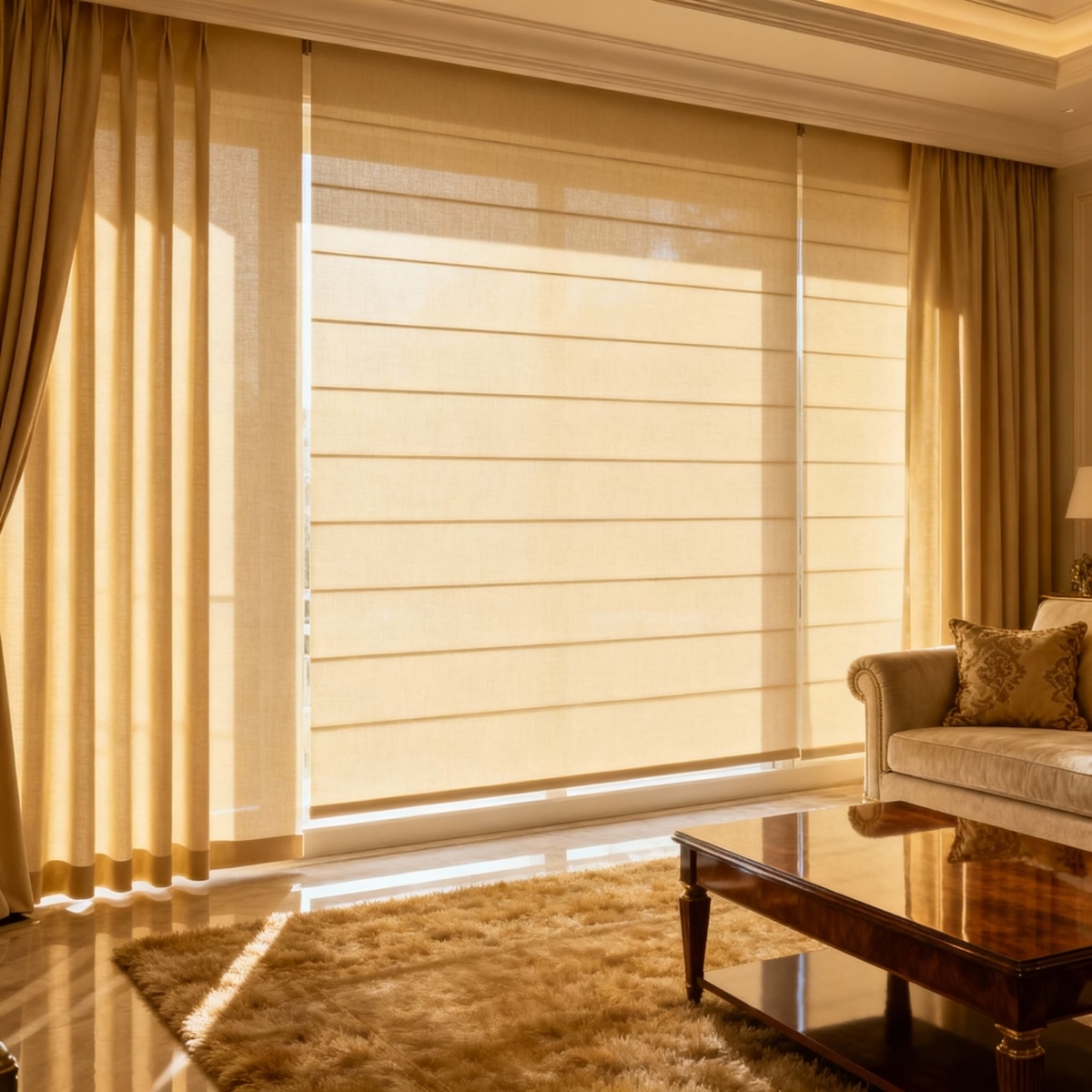


Walking into a room that feels unfinished often comes down to one missing element: the windows. Choosing the right curtain design is more than just a functional necessity for privacy; it is an opportunity to frame your view and inject personality into your living space. Many homeowners struggle with finding the balance between light control and aesthetic appeal, often settling for generic options that do not do justice to their interior architecture.
When you begin exploring different styles, you will find that the right fabric and pattern can completely alter the mood of a room. Whether you are aiming for a minimalist sanctuary or a bold, dramatic lounge, your choice of window dressings serves as the soft furnishing foundation. If you are just starting your home renovation journey, you might want to visit our homepage to see how professional styling can unify a space.
Finding a look that lasts requires a bit of planning and an eye for detail. By focusing on how different textures interact with natural light, you can create a cohesive environment that feels both curated and comfortable. Investing time in selecting a premium curtain design ensures that your home remains timelessly elegant while meeting your daily practical needs for insulation and shade.
Understanding the Impact of Curtain Design on Home Aesthetics
The way a window is dressed can dictate the perceived height and width of a room. A well executed curtain design acts as the "mascara of the room," defining the edges and drawing the eye toward the natural light source. Selecting the wrong weight or length can make a ceiling feel lower or a large room feel sparse and cold.
Modern interiors often benefit from floor to ceiling drapes that create a sense of grandeur and flow. When homeowners look for ideas to refresh their space, they often find that changing the curtains is the most cost effective way to achieve a high end look. It is essential to consider the architectural lines of your windows before committing to a specific style or hanging method.
The Role of Fabric Texture and Weight
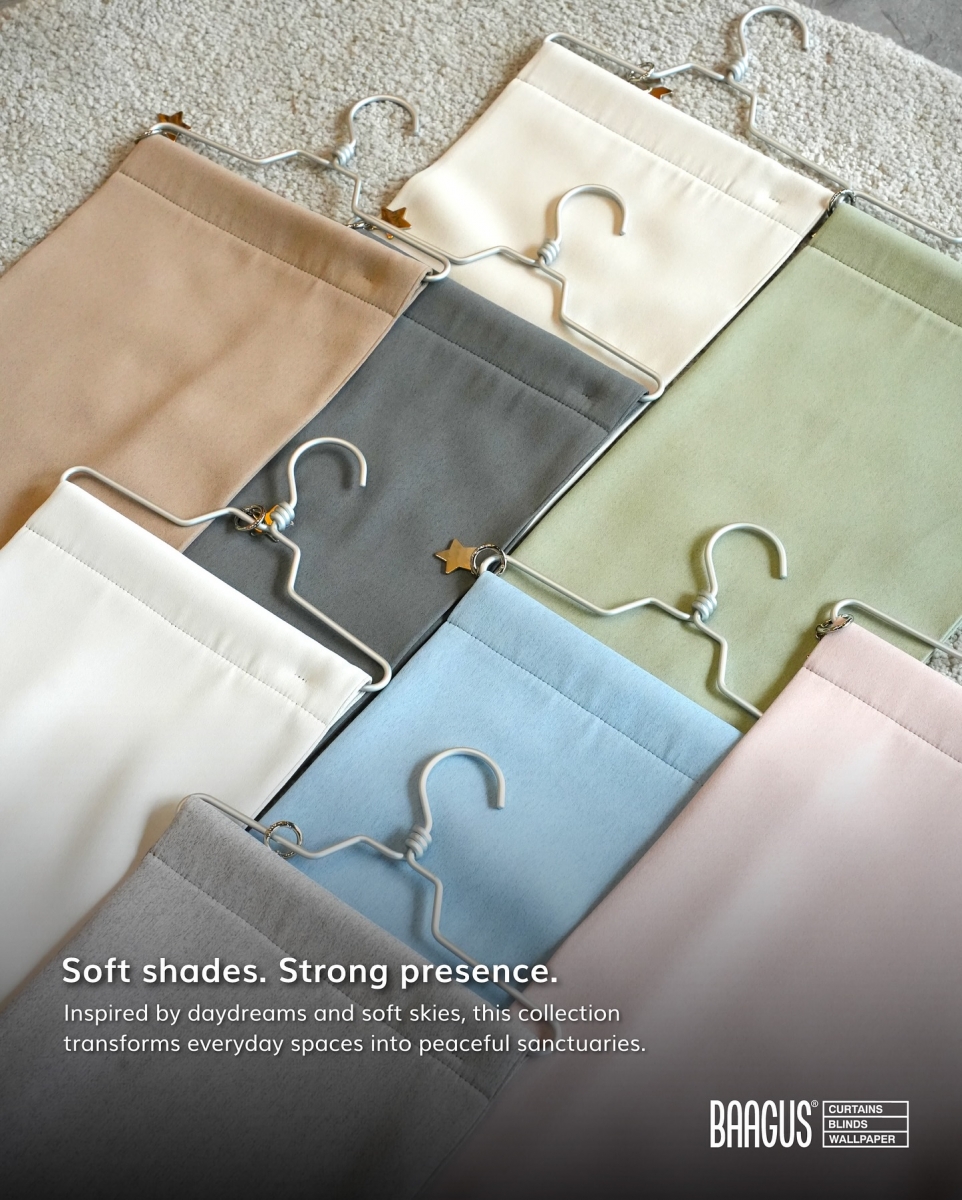
The material you choose is the most significant factor in how your curtains will hang and perform over time. Heavier fabrics like velvet or thick linens provide excellent privacy and sound dampening, making them ideal for bedrooms or media rooms. Conversely, sheer fabrics allow a soft glow to permeate the space, which works beautifully in dining areas where you want a breezy, open feel.
Select velvet for a luxurious and formal appearance.
Choose linen for a relaxed or coastal vibe.
Use cotton blends for easy maintenance and versatility.
Opt for silk when aiming for a sophisticated sheen.
Pick sheer voiles for maximum natural light penetration.
Choosing Patterns and Solid Colours
Deciding between a bold pattern and a solid neutral depends on the existing decor in your room. If your furniture is upholstered in busy prints, a solid curtain design provides a visual resting point. However, if your room features many solid surfaces, a subtle geometric or floral pattern on the windows can add much needed depth and interest. It is often helpful to consult professional resources like Better Homes & Gardens to understand how patterns scale within different room sizes.
Functional Considerations for Your Curtain Design
Beyond beauty, curtains must serve a purpose in your daily life. A thoughtful curtain design addresses issues such as heat gain during the afternoon or the need for complete darkness during sleep. In tropical climates or areas with high sun exposure, the technical aspects of the fabric become just as important as the visual appeal.
When you browse through various curtains, you will notice that different lining options can enhance the performance of the fabric. Some linings are designed specifically to reflect heat, while others are meant to protect the primary fabric from UV damage, ensuring your investment lasts for years.
Light Control and Privacy Levels
Different rooms require different levels of light filtration. A living room might need a layered approach where sheers are used during the day and heavier drapes are pulled shut at night. This "double tracking" system is a popular curtain design choice because it offers the ultimate flexibility for homeowners who host guests or enjoy movie nights.
Blackout linings block out almost all external light.
Dimout fabrics reduce glare without total darkness.
Translucent materials offer privacy while letting light in.
Unlined fabrics provide the most natural and airy look.
Thermal Insulation and Energy Efficiency
Curtains play a vital role in maintaining a comfortable indoor temperature. By choosing a heavy curtain design with thermal properties, you can reduce the amount of heat entering through glass panes. This not only keeps the room cooler but also reduces the strain on your air conditioning systems, leading to lower energy bills over time. This functional benefit is a key reason why many families prioritise high quality window treatments during their moving in phase.
Hanging Styles and Hardware Selection
The hardware you choose is the skeletal structure of your window treatment. A curtain design is only as good as the rod or track it hangs from. Whether you prefer a visible decorative pole or a hidden recessed track, the mechanism should complement the overall theme of the room.
If you are unsure about which hardware fits your specific window shape, learning more About Us and our design philosophy can help clarify how we approach structural installations. The goal is to ensure that the curtains glide effortlessly while remaining securely anchored to the wall or ceiling.
Popular Heading Types
The "heading" refers to the top part of the curtain that attaches to the rod. This detail significantly affects how the fabric folds and drapes. A ripple fold heading creates consistent S shaped curves for a modern look, while a pinch pleat offers a more traditional and tailored aesthetic that suits classic homes.
Ripple fold for a clean and contemporary finish.
Pinch pleat for a formal and structured appearance.
Eyelet headings for easy installation on decorative rods.
Goblet pleats for a grand and regal statement.
Tab tops for a casual and DIY feel.
Coordinating with Room Accessories
Your curtains should not exist in a vacuum. To create a professional interior, the curtain design should coordinate with other soft furnishings like cushions, rugs, and throws. Using the same fabric for a few accent pillows can tie the entire room together, making the window treatment feel like an intentional part of the architectural plan rather than an afterthought.
Frequently Asked Questions
Here are common questions about curtain design we often receive from homeowners looking to upgrade their spaces:
1. What is curtain design and how does it work?
Curtain design refers to the intentional selection of fabrics, headings, and hardware to enhance both the aesthetic and functional aspects of a window. It works by combining visual elements like colour and pattern with technical features like light filtration and thermal insulation to create a balanced environment.
2. How long does it take to install new curtains?
The timeframe for a new curtain design installation typically depends on whether you choose ready made or custom options. Professional installations usually take a few hours once the curtains are fabricated, ensuring that tracks are level and the fabric is steamed to perfection for a flawless hang.
3. Is it safe to wash all curtain fabrics at home?
Not all curtain design materials are suitable for home washing machines. Heavy velvets, silks, and interlined drapes often require professional dry cleaning to prevent shrinkage or damage to the delicate fibres. Always check the care label or consult your supplier before attempting to clean them yourself.
4. Can curtain design help with noise reduction?
Yes, a thick curtain design can significantly help with noise reduction. Fabrics with high density, such as velvet or specialised acoustic liners, absorb sound waves rather than letting them bounce off hard glass surfaces, making your home feel much quieter and more private.
5. How do I choose the right length for my curtains?
The ideal length for a modern curtain design is usually "puddling" slightly on the floor or "kissing" the floor surface. Curtains that end exactly at the windowsill can often look dated and may make the window appear smaller than it actually is, so floor length is generally recommended for a premium look.
Conclusion
Choosing the perfect curtain design is a rewarding process that allows you to express your personal style while improving the comfort of your home. By considering factors such as fabric weight, light control, and hanging styles, you can transform any dull window into a stunning focal point. Remember that the best window treatments are those that balance daily practicality with long term durability and elegance.
Investing in high quality materials and professional advice ensures that your interiors remain beautiful for years to come. Whether you are looking for a simple refresh or a complete home makeover, the right drapes will always provide the finishing touch that makes a house feel like a home.
If you are ready to explore the best options for your space, you can view our latest promotions to find a style that fits your budget and vision perfectly.