16
Sep

Waking up to natural light is one of the best ways to start your day. Instead of getting out of bed to pull the drapes yourself, smart curtains can do the work for you. They add a touch of luxury to your life and make your daily routine feel much more modern and effortless.
However, setting them up can be tricky if you are not prepared. Many people make simple mistakes that lead to noisy motors or broken tracks. By planning ahead and choosing a professional design concept, you can ensure your home stays comfortable and stress free.
The foundation of any successful automated window treatment is the physical track upon which the fabric moves. A common error is assuming that any motor can be attached to an existing rail or rod. In reality, smart curtains require specific tracks designed to accommodate the drive belt and the motor housing. If the track is too old or was designed for manual operation, the friction can cause the motor to burn out prematurely or result in a juddering motion that ruins the aesthetic appeal.
One of the most frequent oversights is failing to calculate the total weight of the fabric before selecting a motor. Heavier textiles like velvet or thick blackout linings put significant strain on the internal belt and the motor gear. If the motor is underpowered for the weight of the drapes, it will struggle to move smoothly and will likely fail within a few months of regular use.
Check the maximum load capacity specified by the motor manufacturer before purchasing.
Evaluate the length of the track as longer spans require more torque to operate.
Consider the number of curves in a bay window which significantly increases resistance.
Ensure the track is securely fastened to the wall to prevent sagging under load.
Opt for professional grade aluminium tracks for the most reliable and quiet performance.
Not all motors are created equal when it comes to noise levels and speed control. Some homeowners choose budget options only to find that the sound of the motor is loud enough to wake them up in the morning. High quality systems offer whisper quiet operation and the ability to adjust the speed at which the fabric moves. This allows you to create a soft and elegant transition rather than a sudden and mechanical movement.
Finding a motor that offers soft start and soft stop features is a game changer for the longevity of your window dressings. This technology prevents the fabric from snapping to a halt, which reduces the wear and tear on the delicate hooks and carriers. When you look for high quality curtains that are compatible with automation, prioritising a reputable motor brand is just as important as the choice of linen or silk.
The convenience of automation depends entirely on a stable power supply and a reliable digital connection. A common mistake is installing smart curtains in an area where the Wi-Fi signal is weak or where there is no easy access to a power socket. If the motor loses its connection to your home network, your schedules will fail, and you may find yourself unable to close your windows when you are away from home.
Deciding between a battery powered motor and a hardwired system is a decision that impacts your maintenance routine and installation complexity. While battery options are easier to install in older homes, they require regular charging which can be a hassle if your ceilings are particularly high. A wired system is more reliable for long term use but usually requires a professional electrician to hide the cables within the walls for a clean look.
Assess the proximity of existing power outlets to each window frame.
Calculate the battery life based on your expected daily usage patterns.
Plan for cable management solutions to keep the wires completely invisible.
Ensure the voltage of the motor matches your home electrical supply perfectly.
Consider solar charging accessories for windows that receive plenty of natural light.
In 2026, the smart home market is dominated by protocols that ensure better interoperability between different brands. A major error is buying a motor that does not communicate with your existing smart home hub or voice assistant. You want a system that integrates seamlessly with your other automated devices like your lighting and climate control to create a truly unified experience.
Using a protocol that offers a mesh network can solve many connectivity issues in larger homes or properties with thick walls. If you are unsure about which technology will stand the test of time, consulting a professional can save you from buying obsolete hardware. A well integrated system allows you to create scenes where your drapes close automatically as your smart lights dim for a cinema evening.
The material you choose for your smart curtains plays a massive role in how the technology performs and how much energy you save. Some homeowners select fabrics that are too stiff or too heavy for a motorised track, leading to an uneven drape and increased motor strain. Furthermore, failing to account for thermal properties means you miss out on the financial benefit of automation.
One of the most effective ways to save money is by improving the thermal performance of your windows. Large glass surfaces are significant points of heat loss in the winter and heat gain in the summer. According to data provided by the Energy Saving Trust, professional window coverings can significantly reduce heat loss through glazing. Smart home automation allows you to close your drapes during the hottest part of the day, protecting your interiors and lowering your cooling costs.
Select fabrics with thermal linings to maximise heat retention in the winter.
Use reflective backings for windows that receive intense afternoon sun.
Choose cellular or honeycomb structures for the highest level of insulation.
Opt for floor to ceiling lengths to trap a larger volume of insulating air.
Utilise automated sensors to close curtains based on external temperature changes.
Stiff fabrics do not always follow the curves of a ripple fold or an S fold track correctly when moved by a motorised carrier. You want a material that has enough flexibility to stack neatly at the side of the window without bunching or getting caught in the mechanism. If the fabric is too voluminous, it can block the motor sensors or interfere with the manual override feature that allows you to pull the drapes by hand.
Choosing the right material ensures that the motor does not have to work harder than necessary, which extends the life of the internal gears. When you browse through different blind and curtain options, look for textiles that offer a soft drape and a consistent weight. This careful selection ensures that your windows look as sharp and aligned in five years as they did on the day of installation.
The final hurdle in a successful installation is the physical placement and the aesthetic integration of the technology. Measuring for smart curtains is slightly different from measuring for traditional drapes because you must account for the space required by the motor housing. If you do not leave enough room at the end of the track, the motor will be visible and will ruin the clean lines of your interior design.
The motor is usually a vertical cylinder that hangs at one end of the track, often hidden behind the fabric. If your window is recessed into a tight space, the motor may prevent the fabric from opening fully, which blocks natural light and looks awkward. You must ensure that the track extends far enough beyond the window frame so that the motor sits against the wall rather than over the glass.
Measure the height of the motor to ensure it does not hit furniture.
Allow for an extra fifteen centimetres of track for the motor housing.
Verify the depth of the window recess to ensure the motor fits.
Plan for a pelmet or a decorative valance to hide the hardware.
Use end caps that match the motor colour for a unified appearance.
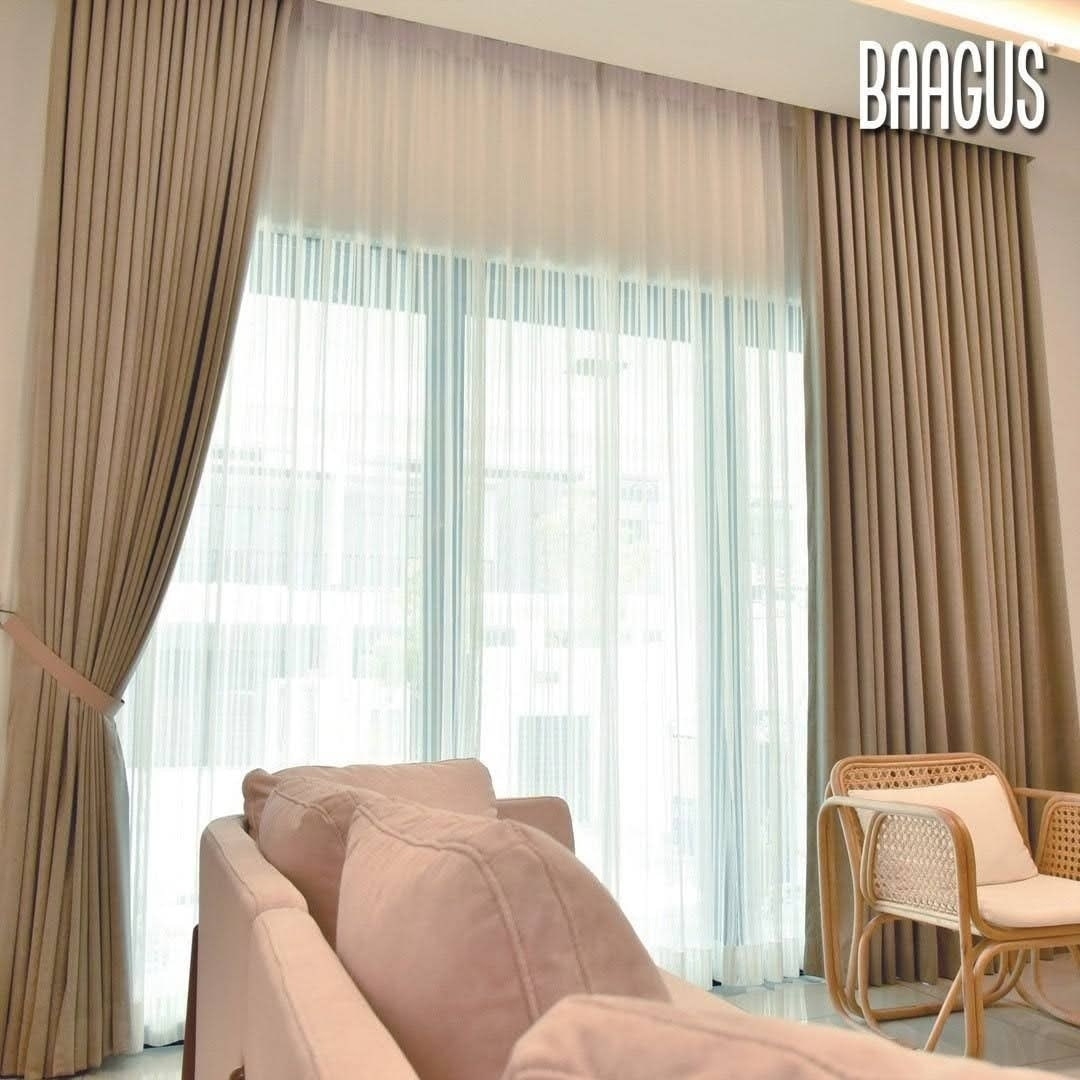
A common complaint after a DIY installation is that the motor and cables look like an eyesore. In a professional setting, the goal is to make the technology completely invisible. This can be achieved by using custom made tracks that have the motor hidden behind the return of the fabric. Relatable scenarios involve a beautiful minimalist lounge where a dangling power cord or a bulky motor becomes a focal point for all the wrong reasons.
For those who want a truly polished finish, exploring professional portfolios can show you how to integrate your tracks into a ceiling pocket. This creates a seamless look where the fabric appears to emerge from the ceiling without any visible hardware or tracks. Taking the time to plan these aesthetic details ensures that your home feels like a luxury retreat rather than a science project.
Here are common questions about smart curtains we often receive:
smart curtains are window treatments equipped with a motorised track that connects to your home network. They work by using a small motor to move a drive belt inside the track, which pulls the drapes open or closed. You can control them using a remote, a smartphone app, voice commands, or set them to a schedule based on the time of day.
In many cases, you can automate your existing fabric, but you will almost certainly need to replace your current track or rod with a motorised version. The motor requires a specific rail to function correctly. If your drapes are in good condition and of a suitable weight, a professional can often rehang them on a new smart track for you.
Yes, it is perfectly safe and is a highly recommended security feature in 2026. By setting your windows to open and close while you are on holiday, you create the impression that the house is occupied. High quality motors also have safety sensors that will stop the movement instantly if they feel any resistance.
The battery life depends on the size of the window and how often you operate the drapes throughout the day. On average, a modern battery will last between six and twelve months on a single charge if you open and close the curtains twice daily. Many systems will send a notification to your phone when the battery is running low.
If you have a hardwired system, the motor will not function without electricity. However, if your system features a manual override, you can still pull the drapes by hand without damaging the mechanism. Battery powered systems will continue to work perfectly during a power cut as they do not rely on the mains electrical supply.
Installing smart curtains is a great way to make your home more modern and comfortable. By avoiding common mistakes like poor measurements or the wrong motor, you can enjoy a system that works perfectly for years. They are a smart investment that saves you time and protects your privacy every single day.
These automated solutions also help you save money on energy and keep your furniture safe from sun damage. In 2026, making your home more efficient is a top priority for most families. Having window treatments that look after themselves is a simple way to improve your lifestyle and increase the value of your property.
If you want to upgrade your windows without the hassle, the experts at Baagus Curtains are ready to help. Our team provides high quality products that fit your style and budget perfectly. Please Contact Us today to find the best automated solution for your home.

|
SHOWROOMSGet up-close with our products and services at these showroom locations. VISIT US |
|
PROMOTIONSGet our latest promotions and deals here. LATEST PROMOTIONS |

|
GALLERYTrendy design concept from Baagus Curtain special made for your lovely home VIEW MORE |
 Chat with us on Whatsapp